



Lake Stockholm Strengthens BioLargo’s AEC Tech While CupriDyne® Offers Return to Revenue
Since TradersQue’s May 2026 coverage, BioLargo (OTCQX: BLGO) has added several developments that strengthen its commercial narrative, particularly around its Aqueous Electrostatic Concentrator, or AEC.
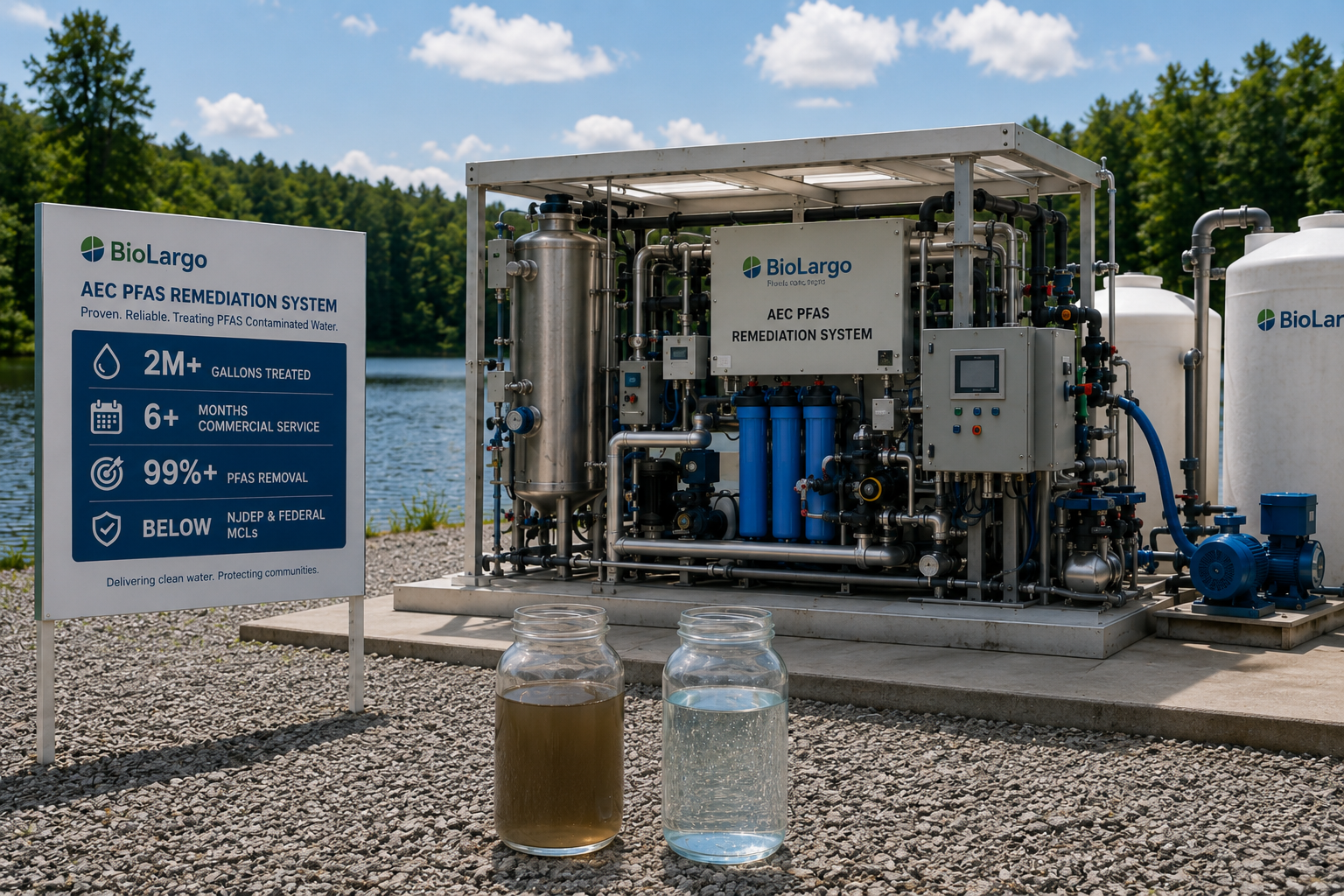
The most important update comes from Lake Stockholm, New Jersey, where BioLargo’s PFAS treatment system has now operated for more than six months and treated over two million gallons of contaminated municipal drinking water.
BioLargo Inc | OTCQX: BLGO | Investing.com
That progress gives BioLargo something it previously lacked: longer-duration operating evidence from a real municipal installation.
At the same time, the company is attempting to rebuild its consumer-products business following the collapse of Pooph®, while its Aquatech and Clyra relationships remain important but still require stronger evidence of repeatable revenue.
Lake Stockholm Gives BioLargo Its Best AEC Proof Yet
One of the primary unresolved questions involved how BioLargo’s AEC technology would perform during continuous operation. Short pilot studies can demonstrate PFAS removal efficiency, but membrane-based and electrochemical systems must also manage scaling, fouling, mineral accumulation, maintenance cycles and long-term operating costs. BioLargo has now provided its most significant operational update to date.
On August 3, the company reported that the AEC installation at Lake Stockholm had treated more than two million gallons of PFAS-contaminated water during more than six months of sustained commercial service. BioLargo said the system has consistently removed more than 99% of PFAS and maintained treated-water concentrations below applicable New Jersey Department of Environmental Protection standards and federal maximum contaminant levels.
BioLargo Gains Commercial Ground Across Divisions | TradersQue
That matters because Lake Stockholm is no longer simply a short-duration pilot. It is increasingly functioning as a commercial reference site where utilities, regulators and prospective customers can evaluate BioLargo’s technology under actual operating conditions. The company also says the installation produces substantially less PFAS-contaminated residual waste than conventional granular activated carbon, or GAC, systems.
But some uncertainty remains.
BioLargo has not yet published detailed long-duration statistics on membrane replacement frequency, mineral scaling, cleaning requirements, system downtime or maintenance costs. Third-party testing also remains underway through the U.S. EPA program, with BioLargo saying additional data will be disclosed when available. Therefore, the Lake Stockholm update meaningfully reduces some of the operational uncertainty identified earlier this year, but it does not eliminate it.
The update also is particularly significant because it begins to address one of the major technical questions we raised previously.
Aquatech Could Turn AEC Into a Broader Commercial Platform
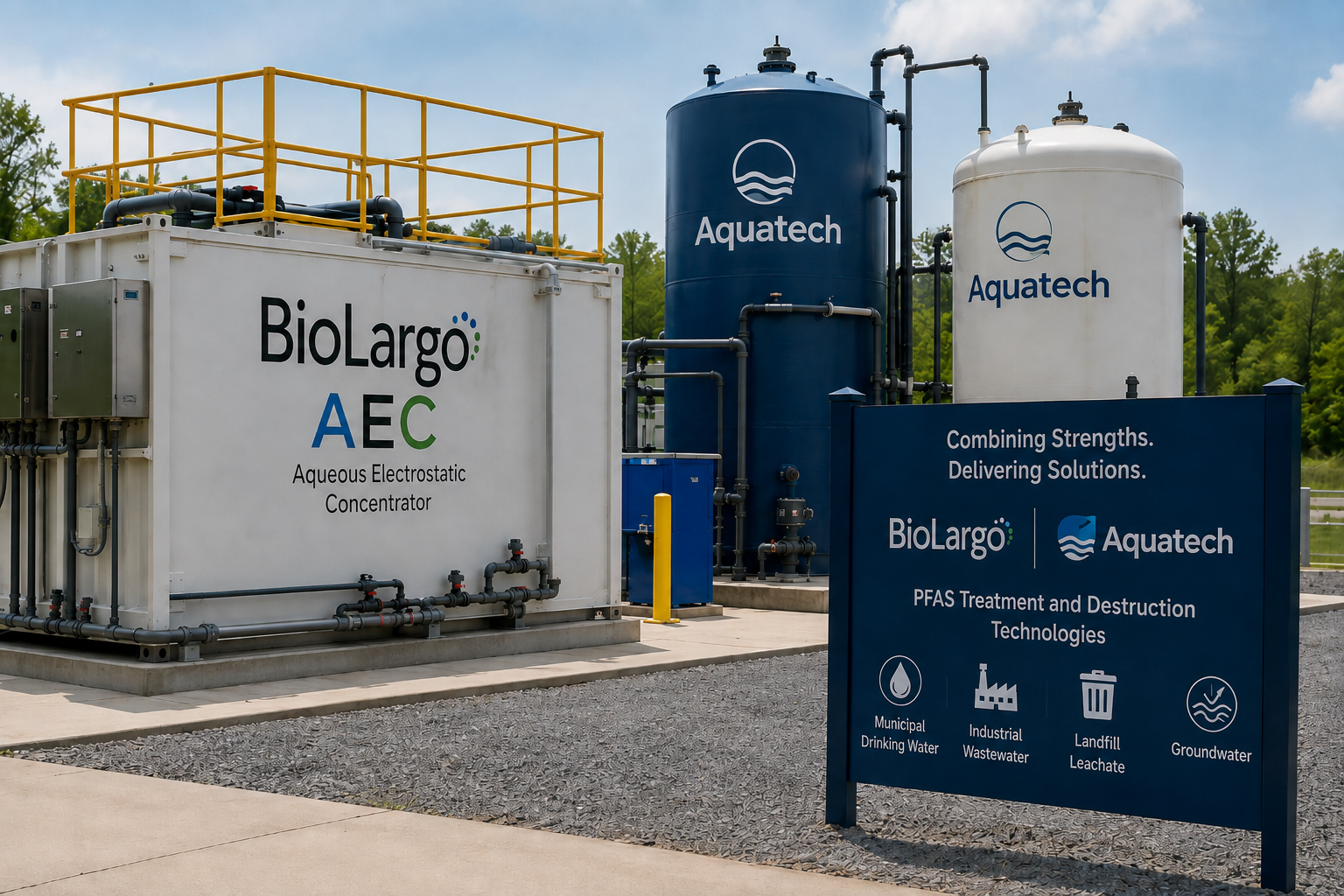
BioLargo’s May memorandum of understanding with Aquatech remains central to the company’s commercialization strategy. The two companies intend to combine BioLargo’s AEC concentration technology with Aquatech’s broader PFAS treatment and destruction capabilities.
BioLargo now describes Lake Stockholm as a potential launch point for that relationship, with CEO Dennis Calvert stating that the companies intend to extend the combined platform into municipal drinking water, industrial wastewater, landfill leachate and groundwater applications. This strengthens the strategic logic behind the Aquatech agreement. But the distinction between technical collaboration and commercial revenue remains important. As of August 2026, BioLargo has not announced that the Aquatech MOU has been converted into a major binding deployment contract or disclosed a material AEC sale directly attributable to the partnership.
BioLargo’s PFAS Tech Meets New Scrutiny | TradersQue
For investors, the next step is evidence that Aquatech’s global reach can translate BioLargo’s technology into repeatable system sales.
BioLargo Joins NJIT PFAS Consortium
BioLargo also expanded its institutional presence in the PFAS sector in July by joining the New Jersey PFAS Partnership Innovation Consortium, or NJ PFAS-PIC. The consortium is led by the New Jersey Institute of Technology and includes universities, utilities, regulators and private-sector companies working to advance PFAS detection, treatment, destruction and commercialization. Tonya Chandler, President of BioLargo Equipment Solutions & Technologies, was also appointed to the consortium’s board of directors.
The agreement itself does not generate material revenue. However, it could improve BioLargo’s access to field validation projects, utilities, regulators and potential grant-funded research opportunities. That becomes more important as the AEC moves from technical demonstration toward broader commercial adoption.
PFAS Regulation Remains Supportive, But Timing Has Shifted
The federal regulatory picture also changed after our May coverage. On May 18, the U.S. Environmental Protection Agency proposed maintaining the federal maximum contaminant levels for PFOA and PFOS at 4.0 parts per trillion (ppt), while creating a mechanism that could allow qualifying drinking-water systems an additional two years, until 2031, to meet those standards. The agency is separately reconsidering standards covering several other PFAS compounds.
GHG Deregulation Does Not Derail PFAS | TradersQue
For BioLargo, this creates a mixed commercial backdrop. Maintaining the PFOA and PFOS limits preserves the long-term regulatory demand for PFAS treatment technology. But extending compliance timelines for some utilities could slow near-term infrastructure spending and purchasing decisions.
That does not eliminate BioLargo’s addressable market. It does reinforce a point made in our earlier analysis: regulatory urgency and commercial timing are not necessarily the same thing.
CupriDyne® Gives BioLargo Another Shot at Consumer Sales
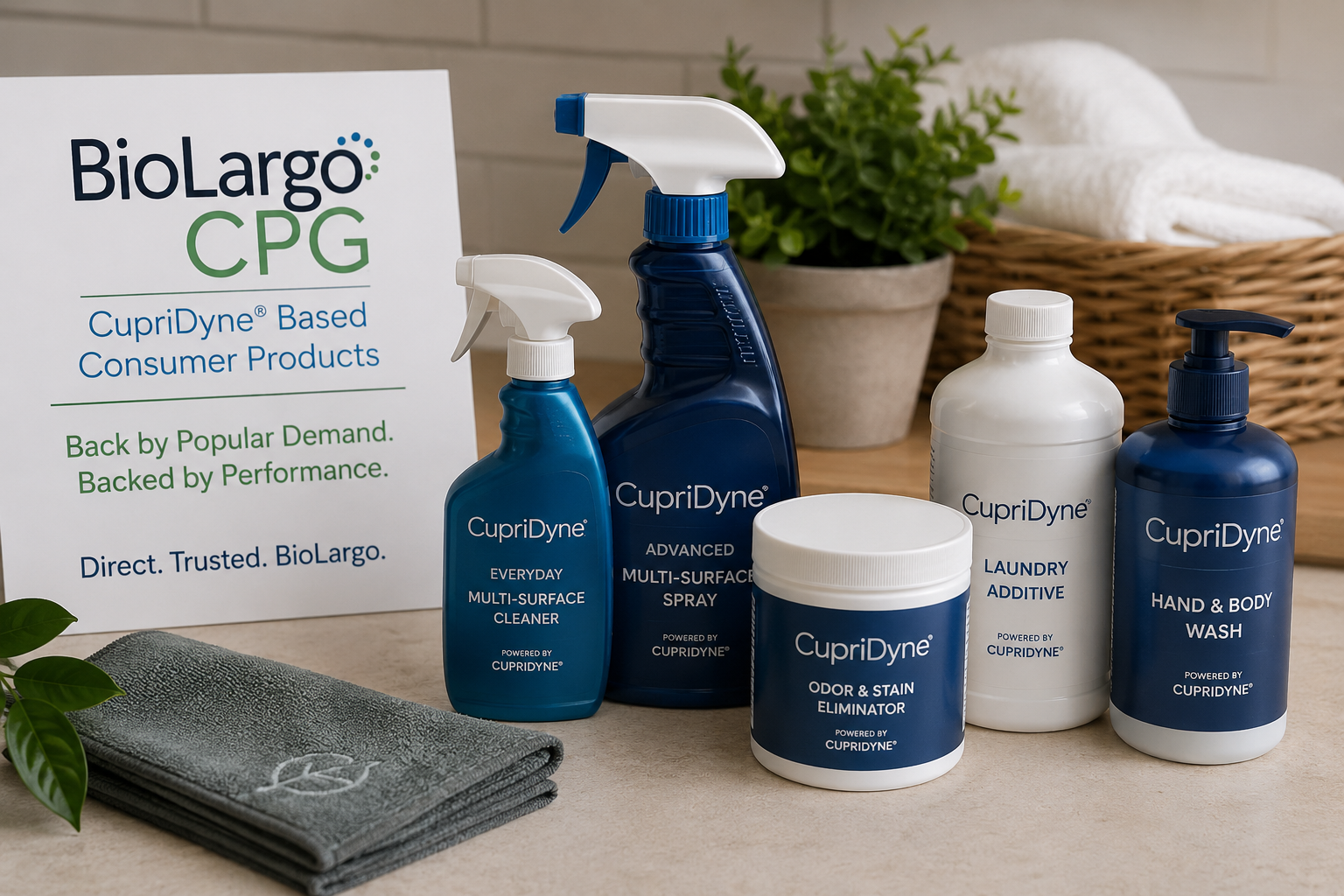
Perhaps the most notable corporate change outside PFAS came in July when BioLargo announced the formation of BioLargo CPG, a new subsidiary that intends to sell CupriDyne®-based consumer products directly under BioLargo’s control. This represents a most critical material change from spring. Earlier this year, the collapse of the Pooph licensing relationship remained one of BioLargo’s largest financial setbacks.
BioLargo now intends to re-enter the consumer market using the same underlying CupriDyne® odor-control technology that previously supported more than $125 million in cumulative Pooph-branded pet-care sales, according to the company. The strategy will initially focus on pet odor-control products through direct-to-consumer channels and online marketplaces such as Amazon.
BioLargo Advances Platforms, Faces Revenue Reset | TradersQue
That allows BioLargo to retain more control over branding, marketing and distribution rather than depending on a third-party licensee. But the opportunity should not be confused with recovered revenue.
Pooph’s historical sales belonged to the licensed product ecosystem and do not automatically transfer to BioLargo’s new brand. The company must rebuild customer recognition, acquire traffic, fund marketing and demonstrate that the underlying technology—not simply the Pooph name and advertising campaign—was the primary driver of previous sales. The unresolved litigation surrounding the Pooph brand also remains a consideration. BioLargo said in July that ownership of the Pooph brand remained in litigation.
Still, BioLargo CPG gives the company a potential path to restore consumer-product revenue without waiting for recovery from its former licensee.
Clyra Still Needs Repeat Orders
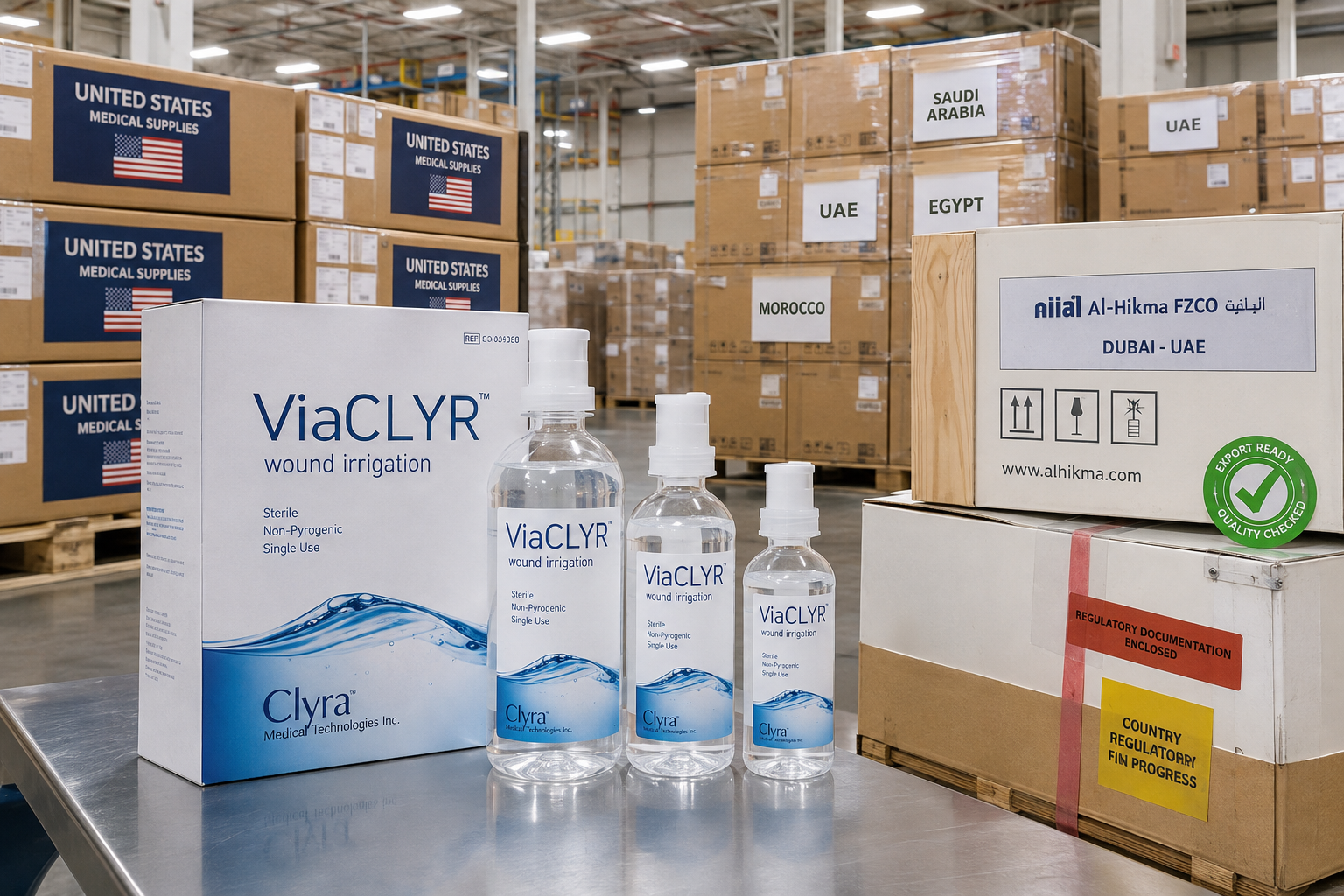
Clyra Medical’s commercial position has not deteriorated since May. Its ViaCLYR™ wound irrigation product remains supported by U.S. distribution and the May exclusive international distribution agreement covering the Middle East, North Africa and adjacent markets. The international agreement with Al-Hikma FZCO began country-level regulatory work across key jurisdictions and expanded Clyra’s prospective distribution footprint.
However, BioLargo has not subsequently announced another major stocking order or a material ViaCLYR™ revenue contribution through August 14. That leaves the earlier conclusion largely unchanged.
Clyra has moved beyond the development stage and into early commercialization, but investors still need evidence that initial stocking orders, clinical interest and international distribution agreements can develop into sustained purchasing activity. Distribution access is important. But repeat orders are what ultimately matter.
AEC Risk Has Improved, Not Disappeared
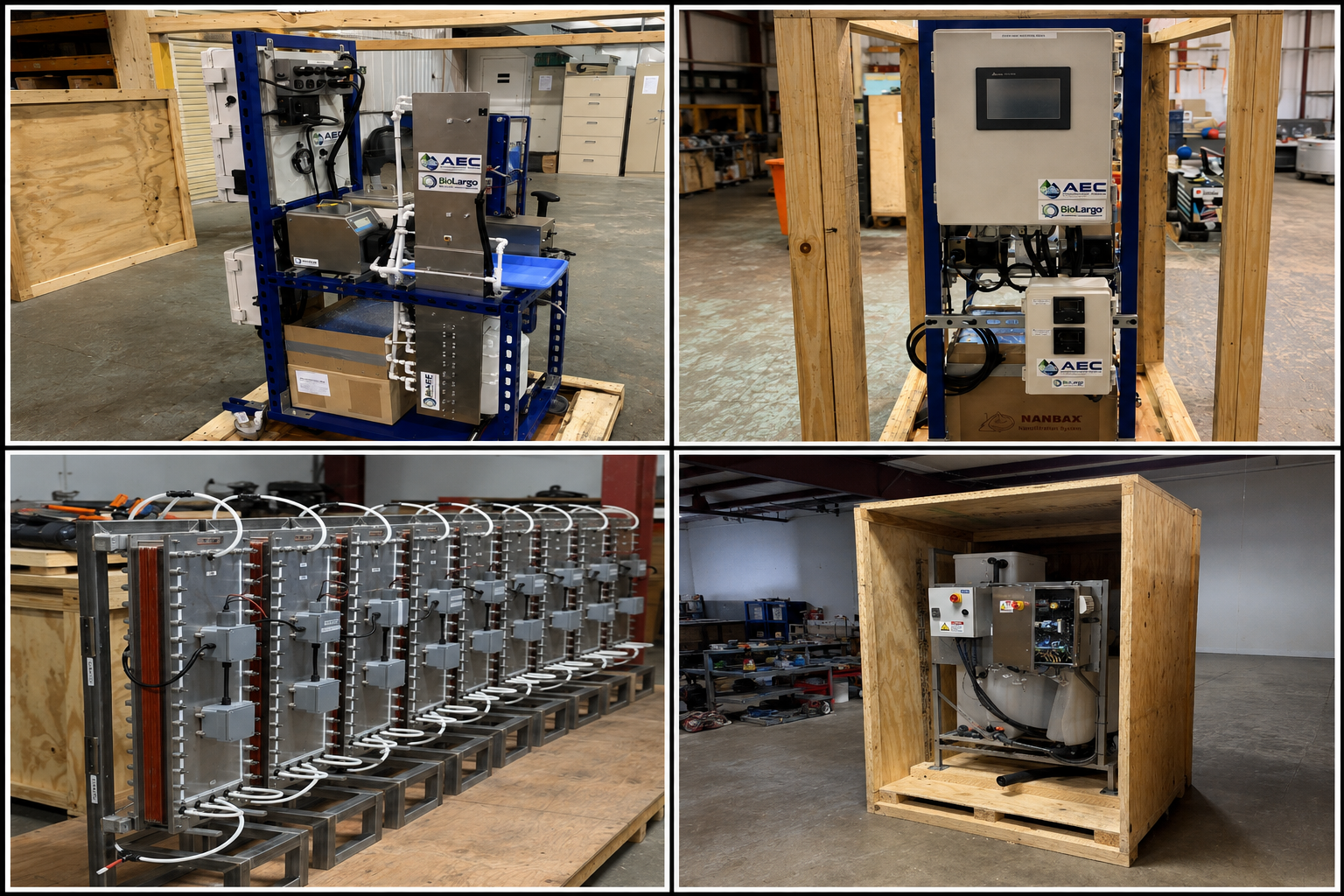
The August Lake Stockholm update is particularly significant because it answers one of the major technical questions raised in our May analysis. At that time, BioLargo had provided limited information regarding how membrane fouling, mineral scaling and other long-duration operational variables would affect AEC economics. Six months of sustained municipal operation and more than two million gallons treated provide much stronger evidence that the system can function outside a controlled laboratory environment.
That is a meaningful improvement. However, BioLargo still has not publicly released a detailed operating-cost breakdown showing:
- Membrane replacement intervals
- Cleaning frequency
- Long-term energy consumption
- Mineral scaling rates
- System downtime
- Labor requirements
- Total residual disposal cost
Until those metrics become available, comparisons against GAC and ion-exchange systems remain partly dependent on company claims rather than a complete independent commercial operating record. The upcoming EPA-monitored data could therefore become one of the more important technical catalysts for the AEC platform.
Final Thoughts
BioLargo appears operationally stronger than it did during our May review. The Lake Stockholm AEC installation has now passed a meaningful duration threshold, treating more than two million gallons while maintaining reported PFAS removal above 99%. The company’s involvement with Aquatech and the NJIT-led PFAS consortium also improves its access to technical and commercial networks capable of helping move AEC beyond a single municipal reference installation. Meanwhile, the formation of BioLargo CPG creates a new route for rebuilding consumer-product revenue following the collapse of Pooph.
But the larger question remains unchanged. BioLargo has multiple technologies with credible commercial potential, yet its valuation still depends on converting those technologies into consistent revenue.
Key items for investors to watch through the remainder of 2026 include:
| Key Update | Investors Should Seek |
|---|---|
| Lake Stockholm AEC | Third-party operating data validating real-world performance |
| AEC Membrane Economics | Membrane life, fouling, maintenance, and replacement-cost data |
| Aquatech | Conversion of the relationship into commercial deployments |
| AEC Commercialization | New municipal or industrial customers and projects |
| BioLargo CPG | Launch timing and initial sales traction |
| Pooph Litigation | Material developments or resolution |
| ViaCLYR™ | Repeat orders and international regulatory approvals |
| Clyra | Revenue growth and sustained commercial momentum |
| BLEST | Contract execution and project advancement |
| Financial Position | Q2 results, cash balance, liquidity, and funding requirements |
BioLargo’s commercial story has improved, especially around PFAS. But the next phase must be measured less by partnerships, technical presentations and distribution access and more by recurring revenue, operating margins and repeatable customer adoption.
Additional Coverage
Additional social media coverage can be found on X.
Review our archives on BioLargo, Inc. dating back to 2023 that include technical and fundamental analyses.