



Precision in Practice: RadioGel®’s Real-World Clinical Impact
Vivos Inc. (OTCQB: RDGL) continues to make headlines with its innovative cancer treatment, RadioGel® Precision Radionuclide Therapy™, currently in human clinical trials in India. Vivos Inc. Reports Continued Progress in India Human Clinical Trial for RadioGel® Precision Radionuclide Therapy™ | RDGL – Vivos Inc. | News | OTC Markets
This therapy, recognized as a Breakthrough Device by the FDA, targets solid tumors with remarkable precision by delivering highly localized beta radiation directly into cancerous tissue. With no adverse events reported among the first ten patients treated, the trial is not just confirming safety—it’s showcasing a new frontier in outpatient oncology care. As Vivos pushes ahead, it’s setting the stage for both regulatory momentum and global commercialization in regions urgently needing safer, non-invasive treatment alternatives.
Vivos Inc Stock Price Today | OTC RDGL Live Ticker – Investing.com

Safety and Efficacy Confirmed in Clinical Trial
The India-based trial, now treating its tenth patient, has met primary safety endpoints across the board. PET imaging shows precise retention of Yttrium-90, the radioactive isotope used, with no adverse events reported. Patients experienced smooth recoveries and no post-procedure complications—an early clinical win.
Crucially, two of these patients had tumors dangerously close to the trachea and carotid artery—areas often deemed too risky for radiation. Yet, RadioGel® delivered targeted beta radiation without harming nearby tissue. This aligns with the product’s high Therapeutic Ratio and justifies its Breakthrough Device status by the FDA.
 U.S. Collaboration and Protocol Innovation
The trial’s Indian clinical team has rolled out several technique upgrades, including deep-needle injections, saline spacers, and image-guided placement—improving dose control and minimizing off-target exposure. These updates are now being shared with U.S. investigators, including Mayo Clinic researchers preparing for a parallel clinical study.
Vivos is also preparing to increase the patient pool in India from 30 to 50, aiming to evaluate RadioGel® in harder-to-reach cancers like those in the lungs and pancreas.
 Building Infrastructure in India
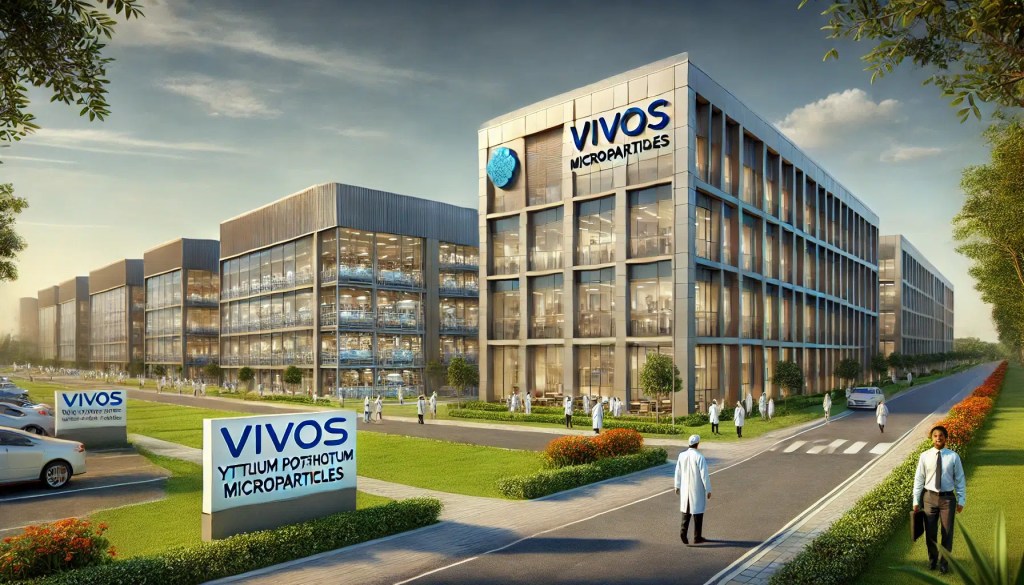
To support this momentum, Vivos is establishing a long-term footprint in India. Plans are underway for a new corporate office and a manufacturing facility for Yttrium phosphate microparticles—key to scaling both clinical and commercial operations.
India’s trial results will be submitted to a peer-reviewed journal later this year, potentially boosting international recognition and regulatory pathways.
 Regulatory Progress and Global Strategy
The company is leveraging its India trial results for U.S. regulatory advancement and plans to file an Investigational Device Exemption (IDE) with the FDA within 90 days. Still, it acknowledges the challenges of navigating evolving U.S. regulations and is building parallel pathways globally.
India remains a critical strategic market. The country’s cancer treatment market, valued at USD 4.21 billion in 2023, is projected to reach USD 5.89 billion by 2030. This positions India as both a proving ground and a launchpad for RadioGel®’s global rollout.
CEO’s Perspective
Dr. Michael Korenko, President and CEO of Vivos, emphasized: “With every patient treated, the value of RadioGel® becomes more evident. We are witnessing precise, safe, and promising therapy outcomes in tumors that traditionally pose high treatment risk. These results not only reinforce our confidence in the technology, but also validates the FDA’s designation of RadioGel® as a Breakthrough Device. We are optimistic about what lies ahead in India and globally—as we move toward making this therapy accessible to patients in urgent need of new cancer treatment options.”
Additionally, our companion IsoPet® animal data has been generating impressive results which complement the human therapy data. We will share the exciting developments from our Isopet® animal health division in the near future.
 Final Thoughts
RadioGel® isn’t just checking boxes—it’s raising the bar. From high-risk tumor zones treated without collateral damage to international collaboration with elite medical institutions, Vivos is positioning itself at the crossroads of innovation and execution. The expanding trial in India, backed by technical excellence and growing infrastructure, represents more than just scientific progress—it’s a tangible step toward making precision cancer care accessible on a global scale. As regulatory gears turn and international interest grows, one thing’s clear: Vivos is no longer just in the lab. It’s in the clinic, in the market, and soon, in the mainstream of next-gen cancer therapy.
What Is RadioGel® and How Does It Work?
Here’s a closer look at what makes RadioGel® unique, how the trial was conducted, and what early results mean for future cancer care.
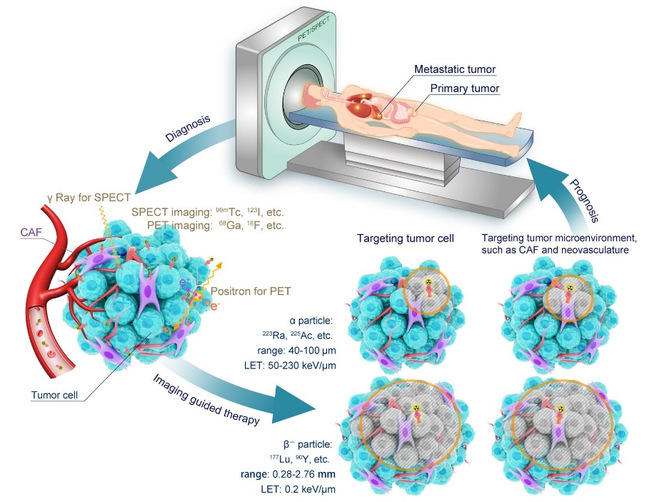
RadioGel® uses Yttrium-90, a radioactive isotope, embedded in a hydrogel matrix to deliver targeted radiation directly to cancerous tissue.
💡 Why is this important?
Traditional radiation therapy often damages healthy cells along with cancerous ones. RadioGel®, however, delivers radiation in a precise, localized manner, reducing side effects and increasing the effectiveness of treatment.
About Vivos Inc.
Vivos Inc. has developed an Yttrium-90-based injectable Precision Radionuclide Therapy™ medical device to treat tumors in animals (IsoPet®) and humans (RadioGel®). Using the company’s proprietary hydrogel technology, PRnT™ uses highly localized radiation to destroy cancerous tumors by placing a radioactive isotope directly inside the treatment area. This allows the safe delivery of higher doses needed for treating non-resectable and radiation-resistant cancers.
RadioGel® Technology
RadioGel® is a hydrogel liquid containing yttrium-90 phosphate microparticles, administered directly into a tumor. After injection, it gels within the tumor interstitial spaces to keep the radiation sources in place. The short-range beta radiation from yttrium-90 localizes the dose within the treatment area, minimizing adverse effects on normal organs and tissues. The short half-life of RadioGel® ensures that more than 90% of its therapeutic radiation is delivered within 10 days, allowing for outpatient procedures without risk to family members.
IsoPet® for Veterinary Use
IsoPet® uses the same technology as RadioGel® for treating animals. It has been tested successfully on feline sarcoma at Washington State University and on canine soft tissue sarcomas at the University of Missouri. The FDA has classified IsoPet® as a medical device and does not require pre-market approval for veterinary use, allowing for revenue generation through sales to university hospitals and private clinics.
Vivos Inc. | RadioGel™ | IsoPet® – (OTCMKTS: RDGL)
Meet the Visionaries Behind Vivos Inc.
Meet the innovative minds driving Vivos Inc. forward in the fight against cancer. Our dedicated team combines expertise, passion, and cutting-edge technology to revolutionize cancer treatment. Learn more about our leaders and their groundbreaking work by visiting Meet The Team | RadioGel™
Disclaimer: This article includes paid promotions. We may receive compensation for promoting certain securities. This could influence our content. Please perform your own due diligence and consult with a financial advisor before making any investment decisions.