



Port Ownership Stalemate Entrenches New Rules for Global Infrastructure
Months after Panama’s decision to void CK Hutchison’s concession over the Balboa and Cristóbal terminals, the dispute has entered a different phase. Headlines have slowed, but negotiations remain active, arbitration continues, and the proposed sale of CK Hutchison’s global ports portfolio remains unresolved. Rather than signaling stability, the prolonged impasse is reinforcing a broader shift in how strategic infrastructure is bought, sold, and controlled.
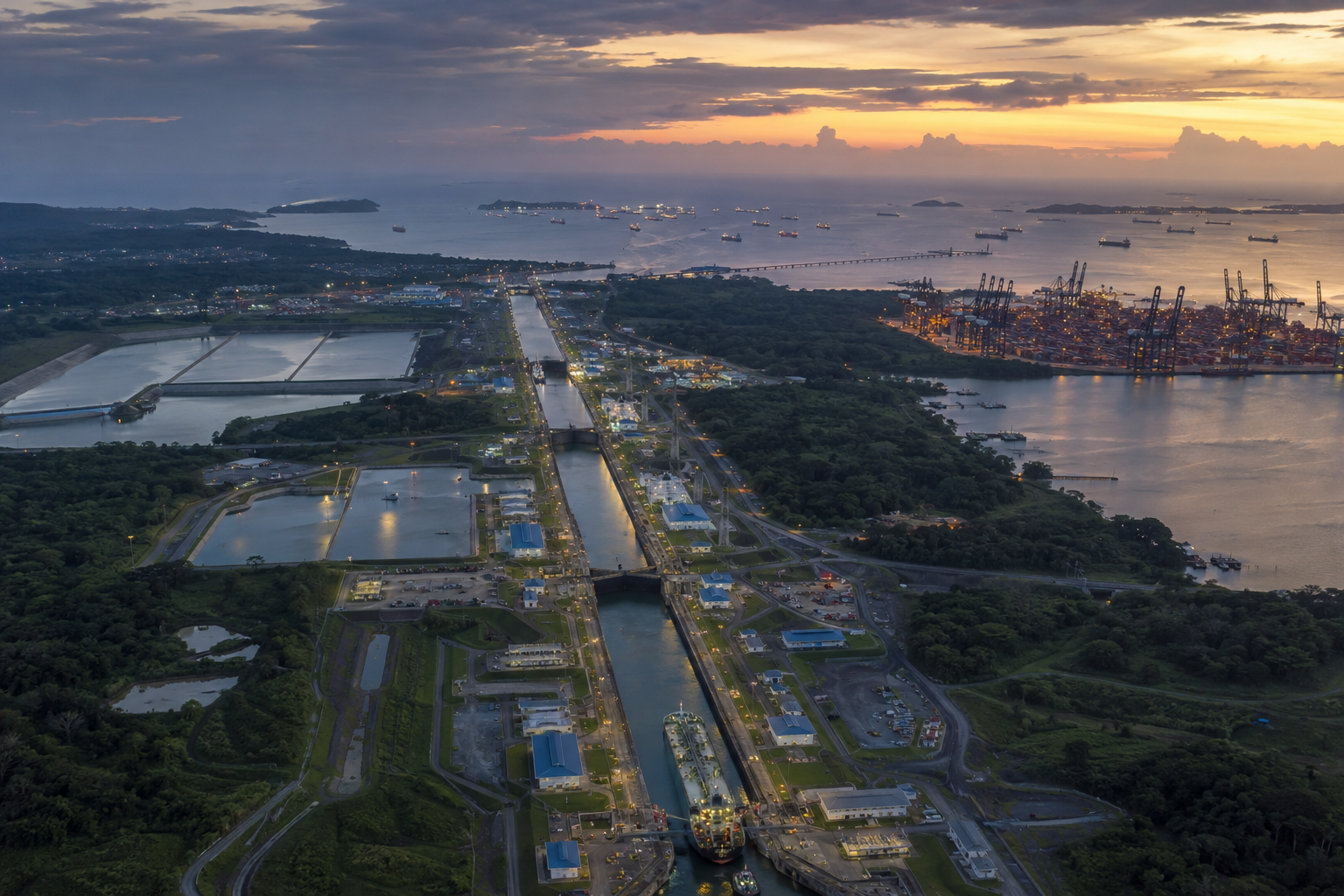
Escalating Port Battle Signals Maritime Trade Shift | TradersQue
The dispute no longer centers solely on two ports at either end of the Panama Canal. It now reflects how governments, investors, and state-owned enterprises increasingly view critical infrastructure through the lens of national security rather than commercial efficiency.
Strategic Control Has Overtaken Commercial Ownership
The proposed sale of CK Hutchison’s 43-port portfolio remains under negotiation, but discussions have evolved well beyond a conventional acquisition. Reports continue to indicate that parties have explored alternative ownership structures capable of satisfying competing geopolitical interests while preserving commercial value.
China Merchants Port Holdings Co Ltd | OTC: CMHHY | Investing.com
The most notable development remains the emergence of coordinated Chinese participation through state-owned enterprises including COSCO and China Merchants. Rather than pursuing isolated investments, Chinese firms increasingly appear positioned to participate collectively in negotiations involving strategically important infrastructure.
At the same time, Western investors continue to pursue the transaction while adapting to a political environment that no longer guarantees that contractual rights alone determine ownership outcomes.
Panama Has Become the Exception That Defines the Rule
Panama’s ports continue to remain outside any final agreement.
While the broader transaction continues to be negotiated, Balboa and Cristóbal remain under the control established following Panama’s constitutional ruling, with arbitration still serving as the principal legal avenue for CK Hutchison. No publicly confirmed settlement has emerged, nor has any final ownership structure been announced.
The absence of resolution has become meaningful in its own right. Historically, infrastructure transactions of this scale were expected to close once financing and regulatory approvals aligned. The Panama dispute demonstrates that political acceptance has become an additional prerequisite. Governments increasingly possess both the willingness and ability to intervene when strategic assets become entangled with broader geopolitical competition.
A Market Increasingly Divided by Politics
The implications extend well beyond Panama. Infrastructure portfolios that once traded as unified global assets are now subject to political segmentation. Investors increasingly must consider not only valuation and operational performance, but also whether ownership itself is politically acceptable within multiple jurisdictions.
The implications extend well beyond Panama since markets traditionally determined who could acquire infrastructure. Increasingly, governments are determining which buyers are acceptable before markets can function.
The distinction may appear procedural, yet it fundamentally alters how assets are valued and transferred.
Looking Ahead
Several outcomes remain plausible. A hybrid ownership structure involving both Western investors and Chinese state firms continues to represent the most practical path toward completing the broader transaction. A separate arrangement that excludes the Panama assets also remains possible, while a prolonged period of arbitration and interim control cannot be dismissed.
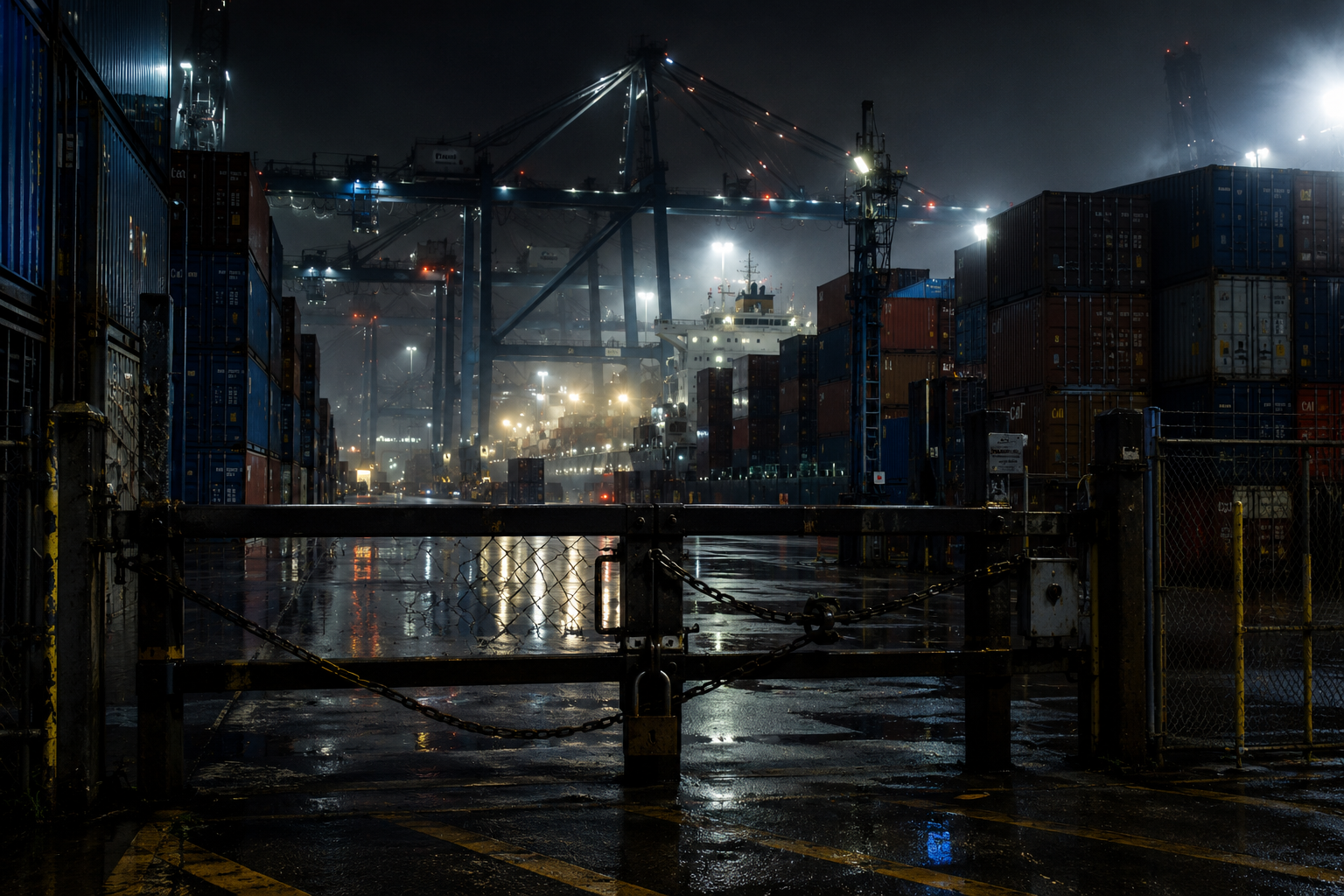
Panama Ports Quietly Await Global Shift | TradersQue
What has become less likely is a straightforward commercial resolution.
The dispute has shown that ownership, governance, and operational control can now evolve independently. Legal title no longer guarantees operational authority, and commercial agreements no longer guarantee political acceptance.
Final Thoughts
The Panama ports dispute has become more than a disagreement over concession rights or a single acquisition. It reflects a structural change in the governance of global infrastructure.
China continues to pursue influence through coordinated state participation. Western investors continue adapting to a more restrictive political landscape. Host governments have demonstrated a greater willingness to intervene when strategic assets become matters of national policy.
Even without a final agreement, the dispute has already established an important precedent. Critical infrastructure is increasingly being allocated according to geopolitical priorities as much as commercial considerations. For investors, governments, and global supply chains alike, that may prove to be the most consequential outcome of all.
Additional Coverage
Additional social media coverage can be found on the author’s X platform.