



EPA’s Proposed UCMR 6 Expands Water Testing as PFAS Rules Shift
The capacity and quality of national groundwater and surface water continue to expand into more headlines and soundbites prior to midterms as aquifer depletion, nitrate elevations, and wastewater risks conveniently track in tandem. Likewise, the U.S. EPA continues pursuing its PFAS roadmap with its recent publication of the Sixth Unregulated Contaminant Monitoring Rule (UCMR 6) that oversees PFAS and lithium testing for all U.S. public water systems (PWSs).
Beyond Ogallala: Iowa’s Aquifer Warning | TradersQue
The Unregulated Contaminant Monitoring Rule (UCMR) initiative collects data on currently unregulated contaminants in U.S. drinking water. The proposed update expands guidance and coverage for additional compounds (including PFAS) along with new pesticides and semi-volatile organic compounds targets.
The testing scope remains the same, mandating all PWSs serving ≥3,300 or more people, plus a representative sample of systems serving fewer than ≥3,300 people, subject to budget availability and laboratory capacity.
BioLargo’s PFAS Tech Meets New Scrutiny | TradersQue
| Issue | UCMR 5 | Proposed UCMR 6 | Change |
|---|---|---|---|
| Monitoring Period | Jan. 2023–Dec. 2025 | Jan. 2028–Dec. 2030 | Five-year cycle roll-forward |
| Contaminants / PFAS emphasis | 29 PFAS + lithium; dominant focus: 29 PFAS | 30 contaminants in four broader groups; narrower PFAS subset (ultrashort organofluorines) | PFAS remains relevant but no longer dominates the list. |
| Costs | $20.8M annually or $740/sample | $33.7M annually or $1,900/sample | UCMR 6 is +62% expensive annually and +157% / sample |
UCMR 6 is still under proposal with public comments due August 31, 2026. That means EPA could still revise the contaminant list, methods, minimum reporting levels, or implementation before issuing a final rule. EPA has also scheduled public webinars.
BioLargo Gains Commercial Ground Across Divisions | TradersQue
USMR 6 Material Updates
EPA’s proposed monitoring program reflects real methodological change, but the change is uneven, however. Some methods increase sensitivity or efficiency. Others mainly broaden the types of chemicals being tested. The most notable criticism of USMR 6, echoed also by a spate of U.S. governors, is the omission of microplastics.
But the clearest improvement is the use of enhanced sensitivity for certain organic compounds now detectable levels 70% more sensitive (0.009 µg/L v. 0.03 µg/L), representing an unprecedented improvement of contaminant testing that the EPA previously could not precisely assess relative to public-health concerns.
BioLargo Advances Platforms, Faces Revenue Reset | TradersQue
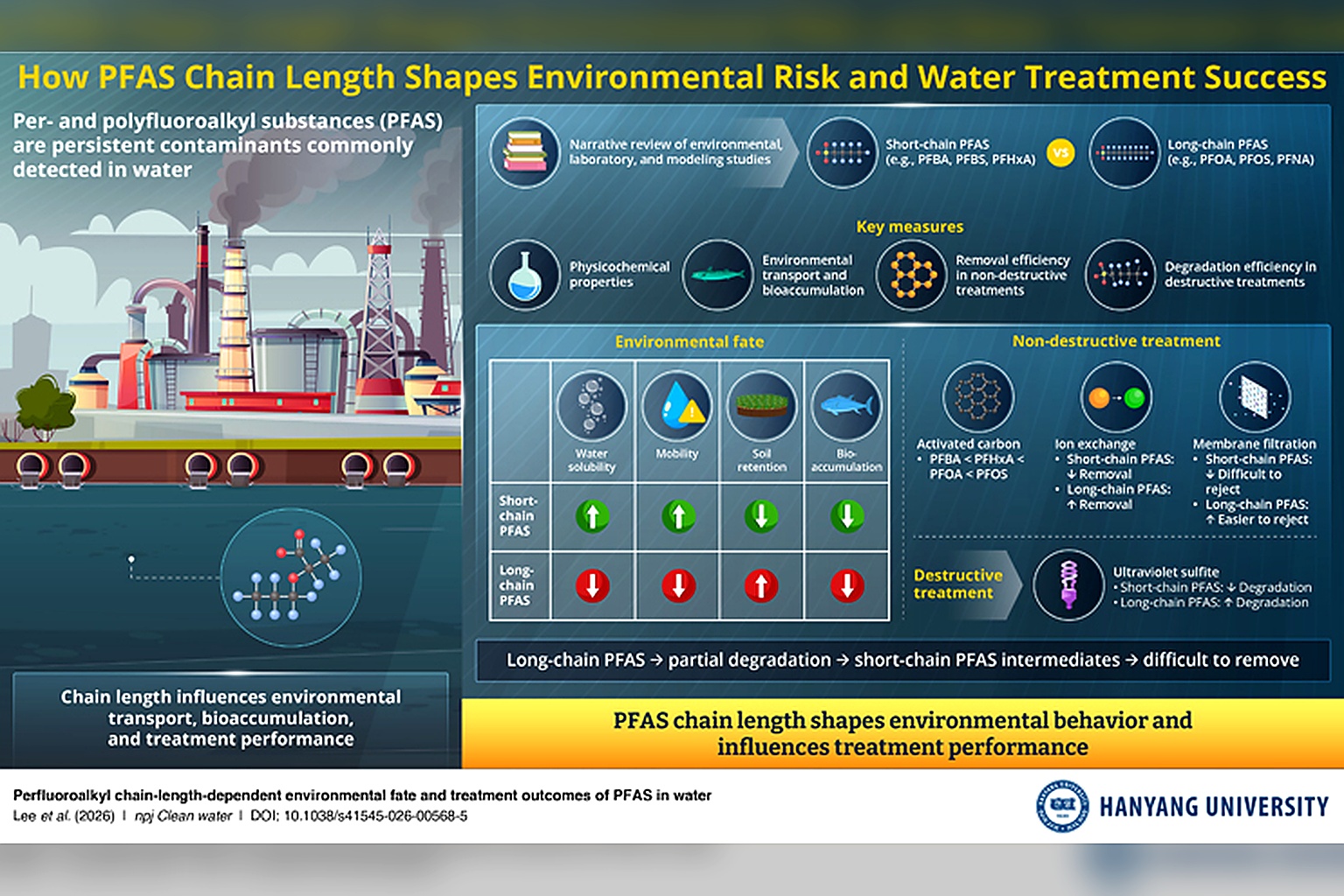
Certain short-chain and ultrashort PFAS and organic compounds (organofluorines) have also been added and represents a significant step as chain length affects how PFAS and other specific compounds behave in water. The shorter the chain, the more difficult to detect, quarantine, destroy, and dispose.
Final Thoughts
EPA previously used validated drinking-water methods for PFAS and lithium while recognizing that sensitivity could improve over time as labs evolve, instruments improve, and methodologies advance. And to avoid having to overhaul and replace outdated testing methods, UCMR 6 opts for selective advancement: advanced test sensitivity for many compounds, new testing for ultrashort organofluorines, and overall broader chemical coverage.
While some progress is being made, rollbacks and delays (including rescindments) of some priorly established rules and thresholds continue. The EPA, in concert with Administrator Lee Zeldin, proposed two rules in May 2026. One aims to withdraw federal drinking-water requirements for certain compounds while another extends reporting deadlines for qualifying water systems until April 26, 2031, to meet the PFOA and PFOS thresholds. EPA Administrator Lee Zeldin set this direction in May 2025, when EPA announced that it would keep the PFOA and PFOS limits but revisit the broader PFAS requirements.
GHG Deregulation Does Not Derail PFAS | TradersQue
The EPA also delayed a separate PFAS reporting rule under the Toxic Substances Control Act (TSCA). In April 2026, a final rule passed delaying the reporting window to January 31, 2027, or 60 days after EPA finalizes a related rule on the reporting requirements, whichever comes first. The rule does not erase the duty to report but rather gives companies more time before submissions begin.
But the practical message is consistent with the drinking-water deadline extension: EPA is slowing near-term compliance while it revisits parts of the PFAS regulatory framework.
TradersQue’s PFAS Coverage
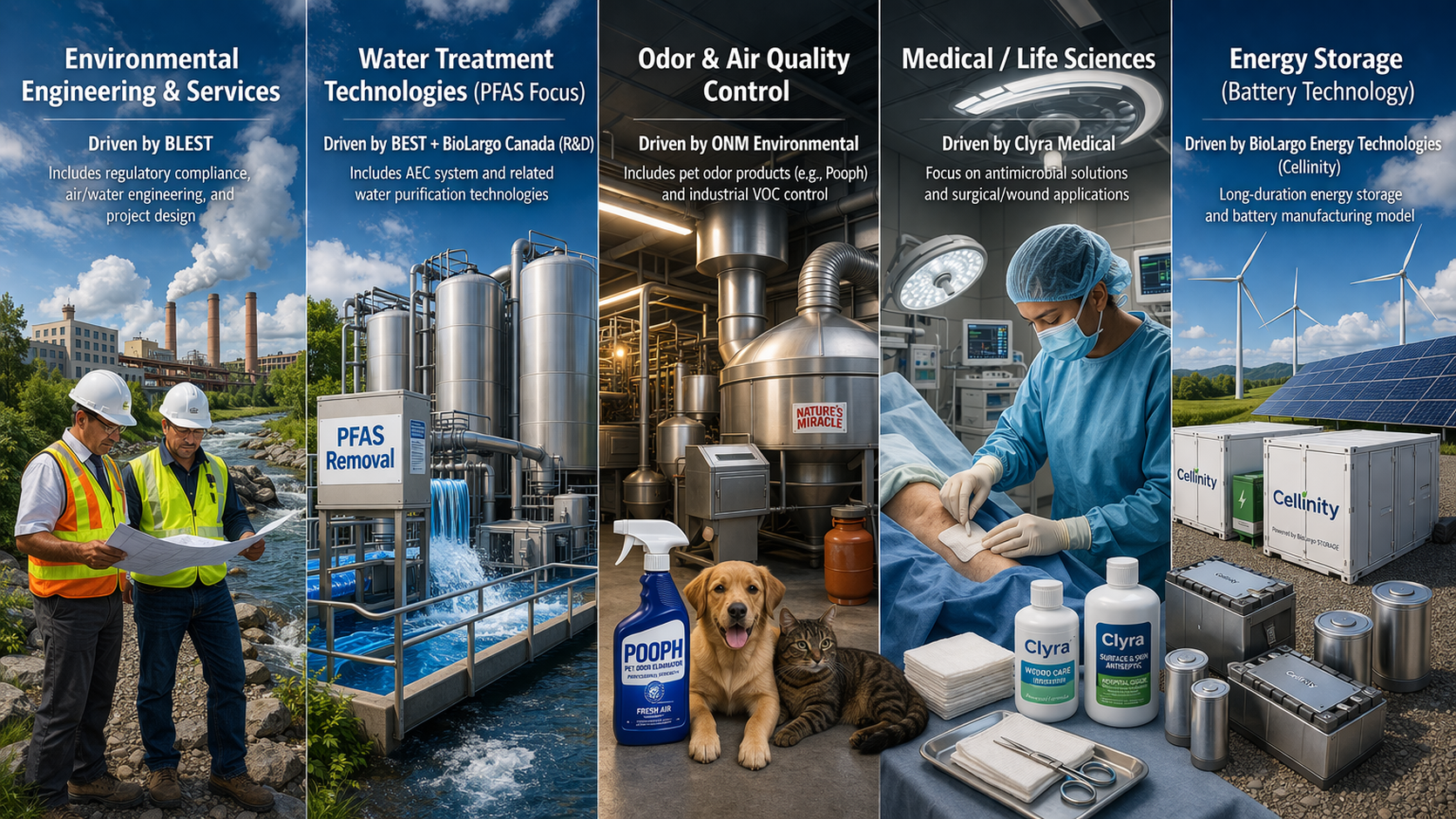
TradersQue.com remains loyal to and confident of BioLargo, Inc. (OTCQX: BLGO) and its near- and long-term future across all business segments, most notably its BEST/BLEST division and specifically its Aqueous Electrostatic Concentrator (AEC) PFAS technology.
Per the company’s site: BioLargo’s AEC is designed to provide rapid, effective, and affordable concentration of per- and polyfluoroalkyl substances (PFAS) in water. It works by separating PFAS compounds in an electrostatic field and forcing them through a proprietary membrane system. The AEC removes >99% PFAS from water in continuous flow at energy costs as low as $0.30 per 1,000 gallons.
Advantages over other PFAS removal technologies:
- More energy-efficient
- More affordable on per-gallon basis
- Much less PFAS-laden waste produced
- Less activated carbon required in PFAS life cycle
- Higher purity of final water
- Compact; small footprint
Please review TradersQue’s archived coverage on BioLargo dating back to 2023.
TradersQue Archives – BioLargo, Inc.
Additional social media coverage can be found on the author’s X platform.
About BioLargo, Inc.
BioLargo, Inc. (OTCQX: BLGO) is a cleantech and life sciences innovator and engineering services solution provider. The company’s core products address PFAS contamination, achieve advanced water and wastewater treatment, control odor and VOCs, improve air quality, enable energy-efficiency and safe on-site energy storage, and control infections and infectious disease. BioLargo, Inc.’s approach is to invent or acquire novel technologies, develop them into product offerings, and extend their commercial reach through licensing and channel partnerships to maximize their impact.
Investors can tune into scheduled earnings calls and access related documents via BioLargo’s investor relations page.